



Texas Birds of Prey: Hawks, Eagles, Owls and Falcons
Texas is known for doing things big, and that includes the chance to see amazing birds of prey. With its grasslands, forests, canyons, and coastlines, the state is home to many kinds of raptors. Whether you’re a seasoned birder or just curious when you spot a big bird overhead, Texas gives you lots of opportunities to watch these impressive hunters.
Now, let’s explore some of the most interesting Texas birds of prey, where you can find them, and why they matter to the state’s ecosystems.

What Are Birds of Prey?
Birds of prey, or raptors, are birds that hunt and eat other animals. Unlike songbirds that eat seeds or insects, raptors use their strong bodies and special features to catch their food.
Most birds of prey share several characteristics:
- Sharp, curved talons for grabbing prey
- Strong hooked beaks for tearing food
- Exceptional eyesight that can detect movement from remarkable distances
- Powerful wings designed for soaring, diving, or quick bursts of speed
Texas has over two dozen kinds of hawks, eagles, falcons, kites, vultures, and owls.Some stay all year, while others pass through for spring migration and fall migration. This makes Texas one of the top places for birdwatching in North America.
Texas Birds of Prey: Why It's a Raptor Hotspot
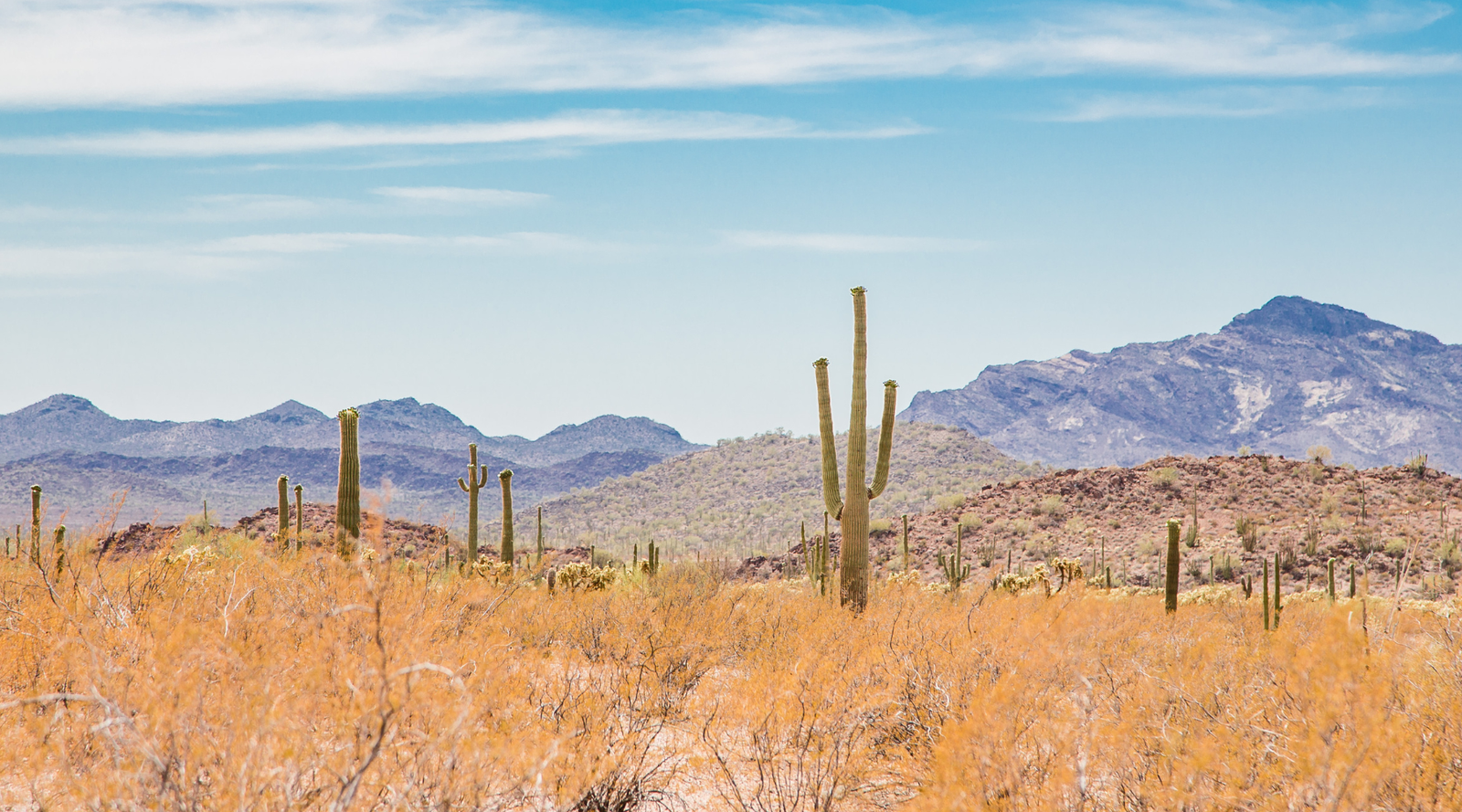
Not many states have as many different habitats as Texas. Here, you’ll find deserts, mountains, marshes, forests, prairies, rivers, wetlands, and brush country. Each type of land attracts its own birds of prey.
Texas also sits along the Central Flyway, one of North America's major migration routes. Every spring and fall, millions of birds travel through the state, including thousands of migrating raptors.
The Gulf Coast is especially lively during migration season. After flying over the Gulf of Mexico, many tired birds of prey stop here to rest before moving on. For birdwatchers, it’s like a red carpet event, only with feathers.

Common Hawks in Texas
Hawks are among the easiest birds of prey to spot across Texas.
1. Red-tailed Hawk
The Red-tailed Hawk may be the state's most recognizable raptor. You'll often see one perched on fence posts, utility poles, or soaring high above highways.
These adaptable hunters eat rodents, rabbits, snakes, and other small animals. Their broad wings and distinctive reddish tail make adults relatively easy to identify.
2. Red-shouldered Hawk
Found mainly in eastern Texas woodlands, the Red-shouldered Hawk prefers forests near rivers and wetlands. Its loud, repeated calls often reveal its location before you actually spot it.
3. Harris's Hawk
The Harris’s Hawk is one of Texas’s most interesting birds because of its unique social habits. Unlike most raptors, these hawks often hunt together in family groups. It turns out teamwork isn’t just for people.
You'll primarily find Harris's Hawks in South Texas brushlands and desert regions.
4. Swainson's Hawk
Swainson's Hawks visit Texas during migration and the breeding season. They favor open grasslands where they hunt insects, rodents, and reptiles.
During migration, big groups of these hawks gather before heading south to Argentina. This is one of the longest journeys made by any North American raptor.

Eagles of Texas
Seeing an eagle in the wild is something most people never forget.
1. Bald Eagle
The Bald Eagle has made an impressive recovery across much of the United States, including Texas.
These majestic birds are most common near lakes, reservoirs, and large rivers where fish are plentiful. Winter brings even more Bald Eagles into Texas as northern populations migrate south.
Even though Bald Eagles look fierce, they often steal food from other birds when they get the chance. It seems even national symbols enjoy an easy meal.
2. Golden Eagle
Golden Eagles are less common than Bald Eagles in Texas, but can be found in the western parts of the state during winter.
Unlike Bald Eagles, Golden Eagles primarily hunt mammals such as rabbits and ground squirrels rather than relying heavily on fish.

Falcons: Speed Champions of the Sky
Falcons are built for speed and precision.
1. Peregrine Falcon
The Peregrine Falcon holds the title of the fastest bird in the world. During hunting dives, called stoops, it can exceed 200 miles per hour.
Texas welcomes many Peregrine Falcons during migration and winter. They often hunt shorebirds, pigeons, and other medium-sized birds.
2. American Kestrel
The American Kestrel is the smallest falcon in North America, but its small size doesn’t mean it isn’t a skilled hunter.
These colorful little hunters feed on insects, small rodents, reptiles, and small birds. One of their signature hunting behaviors is hovering in place while scanning the ground below before making a quick dive.
American Kestrels can be found throughout much of Texas during different times of the year.
3. Prairie Falcon
The Prairie Falcon prefers western Texas and open landscapes. Although it resembles the Peregrine Falcon in shape, it favors grasslands and deserts over coastal areas.

Texas Owls: Masters of the Night
Not every bird of prey hunts during daylight. Texas is home to several owl species that quietly patrol the night skies.
1. Great Horned Owl
Perhaps the most famous Texas owl, the Great Horned Owl, is a powerful nighttime predator.It feeds on rabbits, squirrels, skunks, birds, reptiles, and even other owls. With its large yellow eyes and ear tufts, it's one of the easiest owls to recognize.
Its haunting hoots are often heard long before the bird itself appears.
2. Barred Owl
Eastern Texas forests provide ideal habitat for the Barred Owl.
Recognized by its famous "Who cooks for you?" call, this owl prefers wooded areas near water where it hunts small mammals, amphibians, and birds.
3. Eastern Screech Owl
Small but full of personality, the Eastern Screech Owl blends perfectly into tree bark thanks to its excellent camouflage.
Rather than making loud screeches, these owls give soft trills and whinnies. Many people mistake these gentle sounds for something else at night.
4. Barn Owl
Barn Owls are easily recognized by their heart-shaped faces and ghostly pale feathers.
They're exceptional rodent hunters, making them valuable neighbors for farms and rural communities.

Other Remarkable Texas Raptors
1. Mississippi Kite
These graceful birds spend much of their time catching flying insects while soaring through the air. During summer, they're common in eastern and central Texas.
Seeing a Mississippi Kite catch dragonflies in midair makes grabbing popcorn look easy by comparison.
2. White-tailed Kite
The White-tailed Kite often hovers almost motionless over grasslands while searching for rodents.
Although less common than many hawks, they can be found in suitable habitats across parts of Texas.
3. Turkey Vulture
While Turkey Vultures don't hunt live prey, they are often still considered birds of prey because they feed on animal carcasses.
Their role as nature's cleanup crew helps reduce disease and recycle nutrients back into the ecosystem.They might not be the prettiest birds, but every area needs someone to help clean up.

Where to See Texas Birds of Prey
Texas offers outstanding birdwatching opportunities throughout the year.
Some excellent places to spot raptors include:
- Big Bend National Park
- Santa Ana National Wildlife Refuge
- Aransas National Wildlife Refuge
- High Island during spring migration
- Davis Mountains
- Palo Duro Canyon State Park
- Balcones Canyonlands National Wildlife Refuge
You can also spot raptors in local parks, near lakes, or along country roads.
The best viewing times are usually early morning or late afternoon when many raptors are actively hunting.
How Birds of Prey Help Texas Ecosystems
Birds of prey do far more than provide exciting wildlife sightings.As top predators, they help maintain balanced ecosystems by controlling populations of rodents, rabbits, snakes, insects, and other animals.
Vultures perform another important service by removing dead animals before disease can spread.
When raptors are doing well, it usually means the ecosystem is healthy. Their success shows that the area supports many kinds of wildlife.

Threats Facing Texas Birds of Prey
Although many raptor populations have recovered over the past several decades, they still face several ongoing challenges.
Habitat loss remains one of the biggest concerns as urban development reduces nesting and hunting areas.
Other threats include:
- Vehicle collisions
- Power line electrocution
- Window strikes
- Illegal poisoning
- Environmental contaminants
- Climate-related changes that affect prey availability
Migration also presents risks, as birds travel thousands of miles through changing landscapes and unpredictable weather.
How You Can Help Protect Texas Raptors
You don’t have to climb mountains or build huge nests to help birds of prey.
Simple actions can make a difference:
- Protect natural habitats whenever possible.
- Observe birds from a respectful distance.
- Keep cats indoors to reduce impacts on wildlife.
- Properly dispose of fishing line and other outdoor litter.
- Support local conservation organizations that protect wildlife habitats.
- Learn about local raptor species and share your enthusiasm with others.
Even showing someone else how to watch birds can help more people appreciate these amazing hunters.
Final Thoughts
Texas birds of prey show off some of nature’s most amazing skills. From the super-fast Peregrine Falcon to the team-working Harris’s Hawk, the huge Bald Eagle, and the secretive Great Horned Owl, each one has found its own spot in Texas’s many landscapes.
Next time you see a big bird flying above, pause and watch. It could be searching for food, gliding on warm air, or just reminding us that great wildlife moments happen when we look up.
In a state known for doing everything big, its birds of prey definitely fit the bill.




Leave a comment (all fields required)