



Endangered Species in Florida: Sunshine, Swamps, and Why It Matters
What do you picture when you think of Florida? Maybe sandy beaches, palm trees, or even a few wild spring break stories. But beyond the sunscreen and souvenir shops, Florida is home to some truly unique animals you won’t find anywhere else in the country.Here’s the catch: a lot of them are in trouble.
Let’s explore the wild side of the Sunshine State and meet some of Florida’s most endangered species. Some are large and well-known, while others are small and easy to overlook. Each one is more important than you might realize.

Why Florida Has So Many Endangered Species
Florida is a true biodiversity hotspot. Its mix of wetlands, forests, coastlines, and warm weather creates the perfect home for a wide variety of plants and animals.
But it's also one of the fastest-growing states in the US.As more people move in, there are more roads, more buildings, and less natural habitat. Pollution, climate change, and invasive species make things even more challenging for local wildlife.
Because of these changes, many native animals are now struggling to survive in the only home they have ever known.
Examples of Endangered Species in Florida

1. The Florida Panther: The Ghost of the Swamp
Let’s start with a bit of a legend.The Florida panther is one of the rarest mammals in North America. These sleek, tan big cats once lived throughout the southeastern United States, but now they are mostly found in South Florida.Seeing one in the wild is extremely rare.
Habitat loss is the biggest problem for panthers. They need large areas to hunt and live, but those spaces are disappearing. Roads are also a major threat, since vehicle collisions are a leading cause of death.
The good news is that conservation efforts have helped their population grow a little over the years. It's not a full recovery yet, but it's progress.

2. Manatees: Florida’s Chillest Residents
If Florida had an official mascot for relaxing, the manatee would be the top choice.These gentle giants spend their days gliding through warm waters, munching on seagrass, and generally minding their own business. Sounds like a pretty great lifestyle, right?
Unfortunately, life hasn't been easy for them.Manatees face threats from boat strikes, habitat loss, and water pollution. When seagrass beds decline, their main food source disappears, which is a big problem for an animal that can eat a lot in a single day. Cold weather can also be dangerous, since manatees rely on warm water to survive.
Efforts such as boat speed zones and habitat restoration are helping, but manatees still need a lot of support.
Efforts such as boat speed zones and habitat restoration are helping, but manatees still need a lot of support.

3. Sea Turtles: Tiny Hatchlings, Big Odds
Florida’s beaches are important nesting sites for sea turtles. Species like loggerheads, green turtles, and leatherbacks all come ashore here to lay their eggs. It should be a magical life cycle moment. Instead, it's full of challenges.
Hatchlings face predators, artificial lighting that confuses their path to the ocean, and human activity that disrupts nesting sites. Even after reaching the water, survival is far from guaranteed.Plastic pollution is another major issue. Turtles can mistake it for food, which can be deadly.
Still, there is hope. Beach protections, conservation programs, and community efforts are making a real difference. Every protected nest is a positive step.

4. The Key Deer: Small Size, Big Personality
Picture a deer about the size of a large dog - that's what a Key deer looks like.
Found only in the Florida Keys, these small deer are truly unique. They wander through neighborhoods, cross roads, and often look both cute and a little confused.
But their limited range makes them especially vulnerable.Habitat loss, vehicle collisions, and rising sea levels are all serious threats. Because they live on low-lying islands, even small environmental changes can have a big effect.
Protecting the Key deer also means protecting their whole ecosystem, which helps many other species as well.

5. Coral Reefs: Florida’s Underwater Cities
If you go offshore, you'll find another group of endangered life forms: coral reefs.
Florida’s coral reefs are the only living coral barrier reef system in the continental United States. They provide habitat for countless marine species and help protect coastlines from storms.
But they're in trouble.Rising ocean temperatures, pollution, and disease have caused widespread coral decline.When coral reefs suffer, it affects everything from fish populations to local economies.
Restoration efforts are underway, including coral nurseries and reef rebuilding projects. These projects are important because so much depends on healthy reefs.

Endangered Species of the Everglades
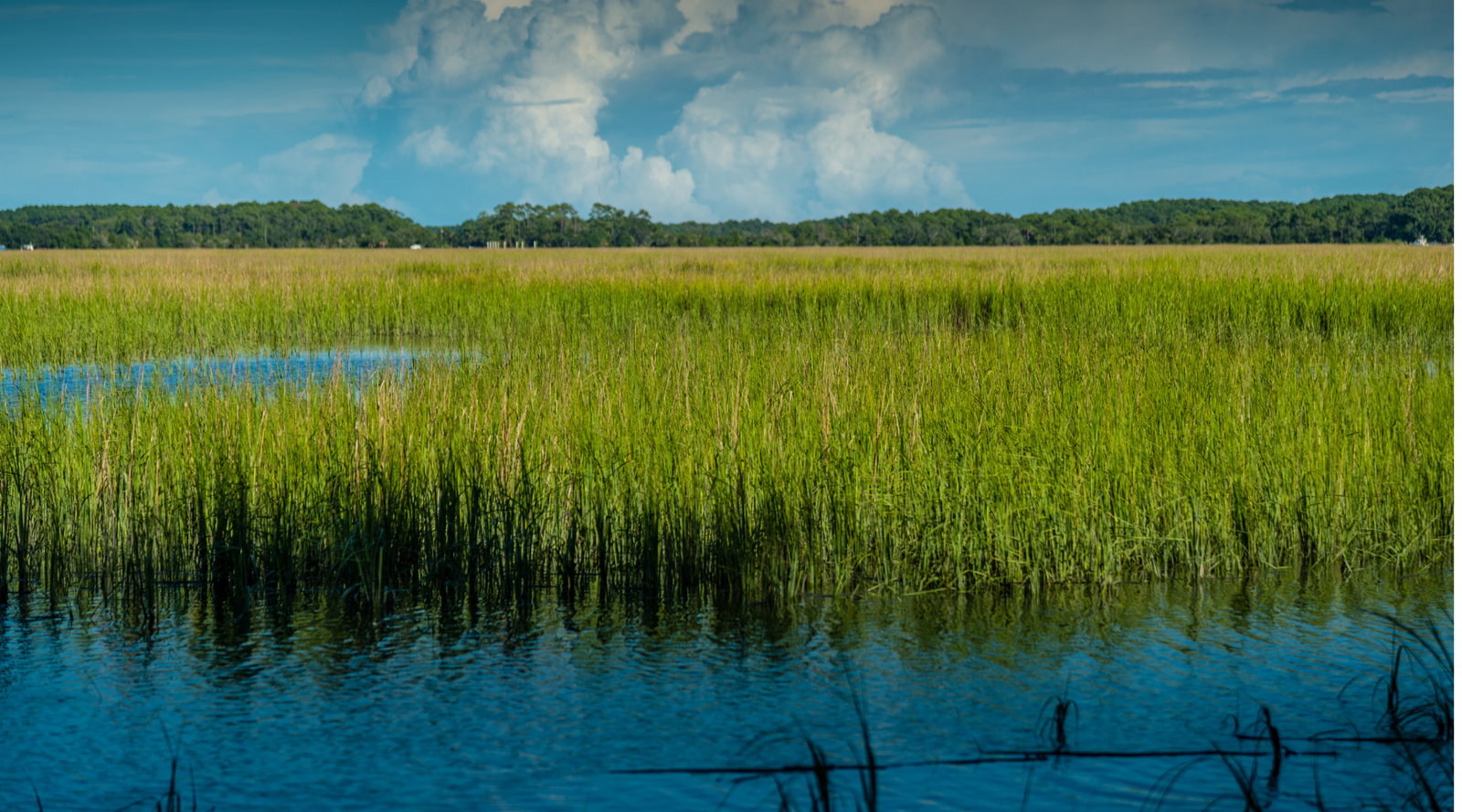
The Everglades is more than just a swamp - it's a huge, slow-moving river full of life. While alligators are well known, there are many lesser-known endangered species living there too.
Take the wood stork, for example. This large wading bird depends on healthy wetlands to find food. Changes in water flow can disrupt its feeding patterns, which affects its ability to survive and reproduce.
There's also the snail kite, a bird of prey with a very specific diet. It mainly eats apple snails. Without snails, the kite cannot survive.
These species show that ecosystems are connected. If one part is lost, the whole system can be affected.

What's Causing All This?
If you're noticing a pattern here, you're not wrong.Most threats to endangered species in Florida come down to a few key factors:
- Habitat loss from development
- Water pollution and declining water quality
- Climate-related changes like rising temperatures and sea levels
- Human activity, including boating and traffic
- Invasive species that disrupt local ecosystems
It's a lot. But it's not all doom and gloom.
How You Can Help Endangered Species in Florida
You don't need to be a wildlife biologist or move to the Everglades to make a difference.Small actions make a difference, and they're easier than you might think:
- Be mindful on the water. If you're boating, follow speed zones to help protect manatees.
- Keep beaches turtle-friendly. Turn off lights near the shore at night and avoid disturbing nesting areas.
- Reduce plastic use. Less plastic means fewer hazards for marine life.
- Support conservation groups.Whether it's through donations or spreading awareness, every bit helps.
- If you visit natural areas, stay on designated paths and respect wildlife.

Why It All Matters
It can be easy to think of endangered species as something far away, like a headline or a scene from a documentary.But these animals are part of real ecosystems that support clean water, tourism, and the natural beauty of our planet.Losing these species isn't just about numbers - it means losing important parts of a larger story.
Florida’s wildlife is unique, full of character and history. It deserves a future.
One Last Thought
Next time you visit Florida, take a moment to look beyond the beach chair.There's a whole world to discover, from quiet marshes and coral reefs to hidden forest trails. In these places, you might spot a panther, a manatee, or a tiny turtle making its way to the ocean.
Kind of makes you want to root for them, right?




Leave a comment (all fields required)