



How to Help Fireflies: 10 Easy Ways to Support Their Survival
There are few sights more magical than fireflies blinking across a summer evening. One minute you're enjoying a warm night outside, and the next it feels like nature has decided to put on its own light show.
For many of us, fireflies are tied to childhood memories. But in many areas, people are noticing something concerning: there seem to be fewer fireflies than there used to be. Somespecies are struggling because of habitat loss, light pollution, pesticides, and changes in the environment. The good news is you don't need to be an expert or have a huge yard to help them.
Making a few easy changes can help attract fireflies to your yard.Here's how to help fireflies and keep summer nights glowing for years to come.

Why Fireflies Need Our Help
Before we talk about solutions, it helps to know what fireflies need to survive.
Despite their name, fireflies are actually beetles. There are more than 2,000 species worldwide, and many spend most of their lives as larvae living in soil, leaf litter, or damp habitats.The flashing adults we see are just a small part of a firefly’s life cycle.
Fireflies rely on:
- Healthy habitats
- Moist environments
- Access to food
- Darkness for communication
- Safe places to lay eggs and develop
If these conditions are missing, firefly numbers can go down.
Imagine if your home was taken away, bright lights shone into your bedroom all night, and your grocery store disappeared. Life would be tough. That’s what it’s like for fireflies when their needs aren't met.

10 Ways to Help Fireflies
1. Turn Off Unnecessary Outdoor Lights
One of the biggest threats to fireflies is light pollution.The flashing patterns fireflies make are not random - they use these flashes to communicate, mostly to find mates. Each species has its own flash pattern, like a secret language.
When outdoor lights are too bright, it becomes harder for fireflies to see each other’s signals.
You can help by:
- Turning off outdoor lights when they're not needed
- Using motion sensors
- Closing curtains at night
- Choosing warm-colored bulbs instead of bright white lights
- Directing lights downward rather than outward
The darker your yard is, the easier it is for fireflies to find each other.Plus, you’ll be able to see more stars in the night sky.
2. Leave Some Leaf Litter Behind
Many people spend hours each fall removing every leaf from their yard, but fireflies would probably prefer if you left some leaves behind.
Firefly larvae often spend months, or even years, living beneath leaves and organic debris. Leaf litter helps maintain moisture and provides shelter from predators and extreme temperatures.
Instead of bagging every fallen leaf, consider leaving some in:
- Garden beds
- Under trees
- Naturalized corners of your yard
A neat yard might look good to us, but a slightly messier yard is much better for wildlife.Sometimes, the best thing you can do for your yard is to do a little less.
3. Skip the Pesticides
Many pesticides don't target just one insect.Unfortunately, beneficial insects can become unintended victims.
Because firefly larvae live in soil and feed on small creatures such as snails, slugs, and worms, pesticide use can disrupt their food sources and directly harm developing fireflies.
If possible:
- Reduce pesticide use
- Explore natural pest management options
- Spot-treat problem areas rather than spraying broadly
- Encourage beneficial insects that help maintain balance
A healthy ecosystem often takes care of itself better than we think.

4. Create a Firefly-Friendly Garden
Just as pollinators benefit from diverse gardens, fireflies thrive in landscapes that provide shelter, moisture, and natural habitat.
A firefly-friendly garden may include:
- Native plants
- Flowering perennials
- Tall grasses
- Shrubs
- Ground cover plants
Native plants are especially helpful because they support local ecosystems and create habitat for many different species.You don't have to change your whole yard all at once - even a small patch of natural vegetation can make a difference.
5. Keep Part of Your Lawn Wild
If your lawn looks like a golf course, fireflies may not be impressed.Fireflies often prefer areas with taller vegetation because it provides shelter during the day and suitable places for adults to rest and mate, so consider allowing part of your property to grow a little longer.
You might:
- Mow less frequently
- Create a meadow area
- Leave a border of taller grass around your yard
- Allow native wildflowers to grow
A lawn that is a bit overgrown might not win any awards, but it could be a favorite spot for fireflies.
6. Add Water Features or Moist Areas
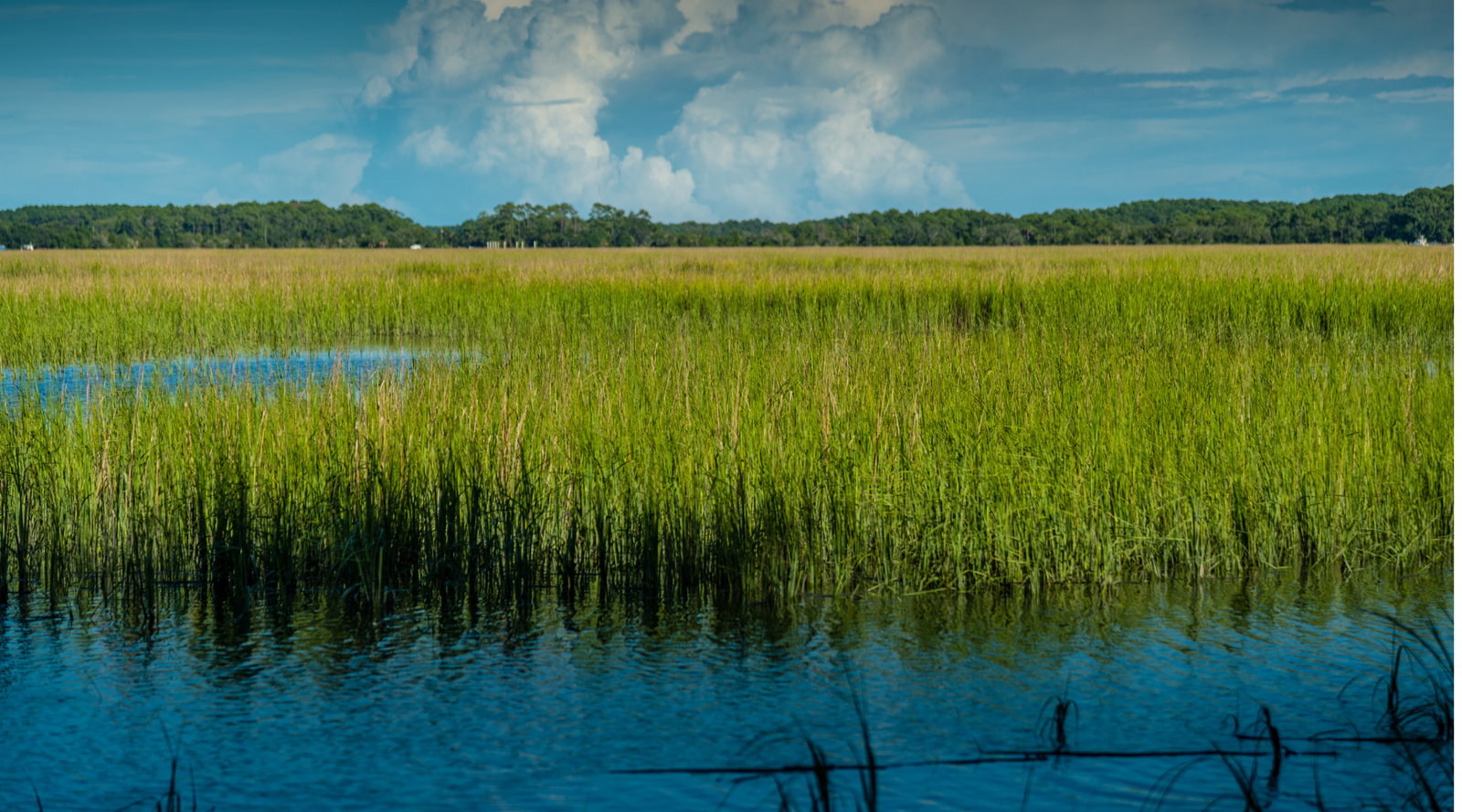
Many firefly species prefer damp environments.Wetlands, stream edges, marshes, and moist meadows often support healthy firefly populations.
You don't need to build a massive pond to help.Simple options include:
- Birdbaths
- Small water gardens
- Rain gardens
- Areas with naturally moist soil
If you already have a pond or water feature, maintaining surrounding vegetation can make it even more attractive to wildlife.Moist areas are some of the best places for fireflies to live.

7. Protect Natural Habitats
Fireflies need more than backyard gardens.Many species depend on larger habitats such as:
- Wetlands
- Forests
- Meadows
- Riparian areas
- Grasslands
Supporting habitat conservation efforts can have a meaningful impact on firefly populations.
You can help by:
- Supporting local land trusts
- Volunteering with conservation groups
- Participating in habitat restoration projects
- Advocating for the protection of natural spaces
Healthy habitats support many species, including the fireflies we enjoy seeing each summer.
8. Leave Fallen Logs and Natural Debris
Not every fallen branch needs to be removed.Dead wood, logs, and natural debris provide shelter for many insects and other small creatures.Firefly larvae may use these protected areas while developing, especially in moist environments.
A few strategically placed logs can create:
- Shade
- Moisture retention
- Wildlife habitat
- Protection from predators
Nature is very good at reusing and recycling things.Sometimes a fallen log is less "yard waste" and more "wildlife apartment complex."

9. Participate in Community Science Projects
Want to help fireflies while satisfying your inner detective?Many organizations run firefly monitoring programs that allow people to report sightings and contribute valuable data.
Researchers use these observations to better understand:
- Population trends
- Species distribution
- Habitat needs
- Conservation priorities
Community science programs help scientists gather information across large geographic areas that would otherwise be difficult to study.
Also, spending an evening counting fireflies can be a fun activity.
10. Share What You Learn
One of the easiest ways to help fireflies is simply talking about them.Many people are unaware that fireflies face challenges or that simple actions can make a difference.
Consider sharing information with:
- Friends
- Family
- Neighbors
- Schools
- Community groups
When more people make their yards friendly for wildlife, it creates a bigger network of habitats.Fireflies don't recognize property lines.Many firefly-friendly yards together can make a bigger difference than just one yard alone.

Every Yard Can Make a Difference
People often think helping wildlife means big projects or major changes.But helping fireflies can start with something as simple as turning off a porch light or leaving a few leaves beneath a tree.Small actions add up.
By reducing light pollution, preserving habitat, avoiding unnecessary pesticides, and creating welcoming outdoor spaces, you can help support these remarkable insects and the ecosystems they depend on.As a bonus, you might get to enjoy one of nature’s most beautiful summer sights.
The next time you see a firefly blinking across the evening sky, remember that tiny flash represents something pretty extraordinary: a little bit of wild magic that still exists all around us.
With a little help, we can keep seeing fireflies light up summer nights for many years.




Soha Fatima
July 17, 2026
Lovely information thanks for this knowledge
thanks Marilyn 😊