



13 Whooping Crane Fun Facts You Need to Know
If you haven't seen a whooping crane before, picture a bird so tall it might meet your gaze while you're sitting. That might be a bit of a stretch, but these amazing birds are some of the tallest in North America. They have plenty of unique traits, remarkable skills, and a conservation story that's still unfolding.
From their loud calls to their long migrations, whooping cranes are far from ordinary, so here are 15 whooping crane fun facts that make them stand out among birds.

What Is a Whooping Crane?
The whooping crane (Grus americana) is the tallest bird in North America. Known for its striking white feathers, black wing tips, and long legs, this elegant bird inhabits wetlands, marshes, and coastal habitats.
The species gets its name from its loud, distinctive "whooping" call, which can carry for miles across open landscapes. It's a sound that's hard to forget once you've heard it.
Today, whooping cranes are considered one of North America's greatest wildlife conservation success stories, although they still face challenges and remain protected.
15 Whooping Crane Fun Facts
1. They're the Tallest Birds in North America
Let's begin with one of the most impressive facts about whooping cranes.Adult whooping cranes can stand nearly 5 feet tall, which is taller than many elementary school students and significantly taller than most other North American birds.
Their height helps them see predators while they walk through marshes and wetlands. It also gives them a regal look, almost as if they know they're the tallest birds around.
2. Their Wingspan Is Seriously Impressive
It's one thing to be tall, but having huge wings is something else entirely.Whooping cranes have a wingspan of about 7 to 8 feet. That's wider than many people are tall.
When these birds open their wings to fly or during courtship, it's clear why they draw so much attention. Seeing a flock fly overhead is a nature moment that often makes people pause and watch.

3. Their Calls Can Travel for Miles
Remember the "whooping" part of their name?Their loud calls can travel up to several miles under the right conditions. The sound is produced thanks to an unusually long windpipe that coils inside their breastbone.It's like nature gave them a built-in amplifier.
These calls help cranes communicate with mates, defend territory, and stay connected with family members across large wetlands.
4. They Perform Elaborate Dance Routines
One of the most entertaining things about whooping cranes is that they love to dance.
Whooping cranes leap into the air, flap their wings, bow, toss sticks, and perform all sorts of energetic moves. While these dances often play a role in courtship, cranes of all ages may join in simply because they can.
Young cranes start practicing their dance moves long before they're old enough to breed. It's like a rehearsal for growing up, with lots of jumping and no awkward school pictures.

5. They Mate for Life
Whooping cranes are known for forming long-term pair bonds and once a pair forms, they generally stay together for life. Each breeding season, they strengthen their bond through synchronized calls and dancing displays.
These partnerships help them work together to defend territory, build nests, and raise chicks.
That's a strong relationship record in the bird world.
6. They Take One of the Longest Migrations in North America
Every year, wild whooping cranes make an incredible journey.The primary migratory population breeds in Wood Buffalo National Park in Canada and spends winters along the Texas Gulf Coast, particularly at Aransas National Wildlife Refuge.
The round-trip migration covers roughly 5,000 miles, which is a lot of flying for a bird that usually spends its time walking through wetlands.Along the way, cranes stop at various wetlands and grasslands to rest and feed. Protecting these stopover habitats is critical to their survival.

7. Their Comeback Is One of Conservation's Greatest Success Stories
Sadly, whooping cranes nearly went extinct thanks to habitat loss, hunting, and other human-related pressures. By the 1940s, the wild population had dropped to fewer than 25 birds.
Fortunately, decades of conservation work helped reverse the decline. Wildlife biologists, conservation organizations, government agencies, and private landowners all played important roles in protecting and restoring crane populations.
Today, the total population number's in the hundreds rather than the dozens. While whooping cranes are still protected and face ongoing challenges, their recovery demonstrates what can happen when people commit to protecting wildlife and habitat.
This shows that conservation efforts really can make a difference.
8. Baby Whooping Cranes Are Adorable
Every animal article needs at least one cute fact.Whooping crane chicks hatch covered in cinnamon-colored down feathers. Unlike the bright white plumage of adults, young cranes have a rusty-brown plumage that helps them blend into their surroundings.
As they mature, their feathers gradually transition to the familiar white coloring.The transformation takes time, making it easier for researchers to identify younger birds in the wild.

9. Parents Are Extremely Protective
Raising a chick is serious business for whooping cranes.Both parents help care for their young, teaching them essential survival skills like foraging, recognizing threats, and navigating their environment.
The family stays together for many months after the chick hatches. In fact, young cranes often remain with their parents throughout migration and winter before eventually becoming independent.That's plenty of family bonding time.
10. They Eat a Surprisingly Varied Diet
Whooping cranes aren't picky eaters.Their menu changes depending on where they are and what's available. They feed on insects, frogs, small fish, crustaceans, aquatic plants, berries, and grains.During their winter stay along the Texas coast, blue crabs become an especially important food source.
A flexible diet helps cranes adjust to changing conditions during their yearly travels.

11. Wetlands Are Essential to Their Survival
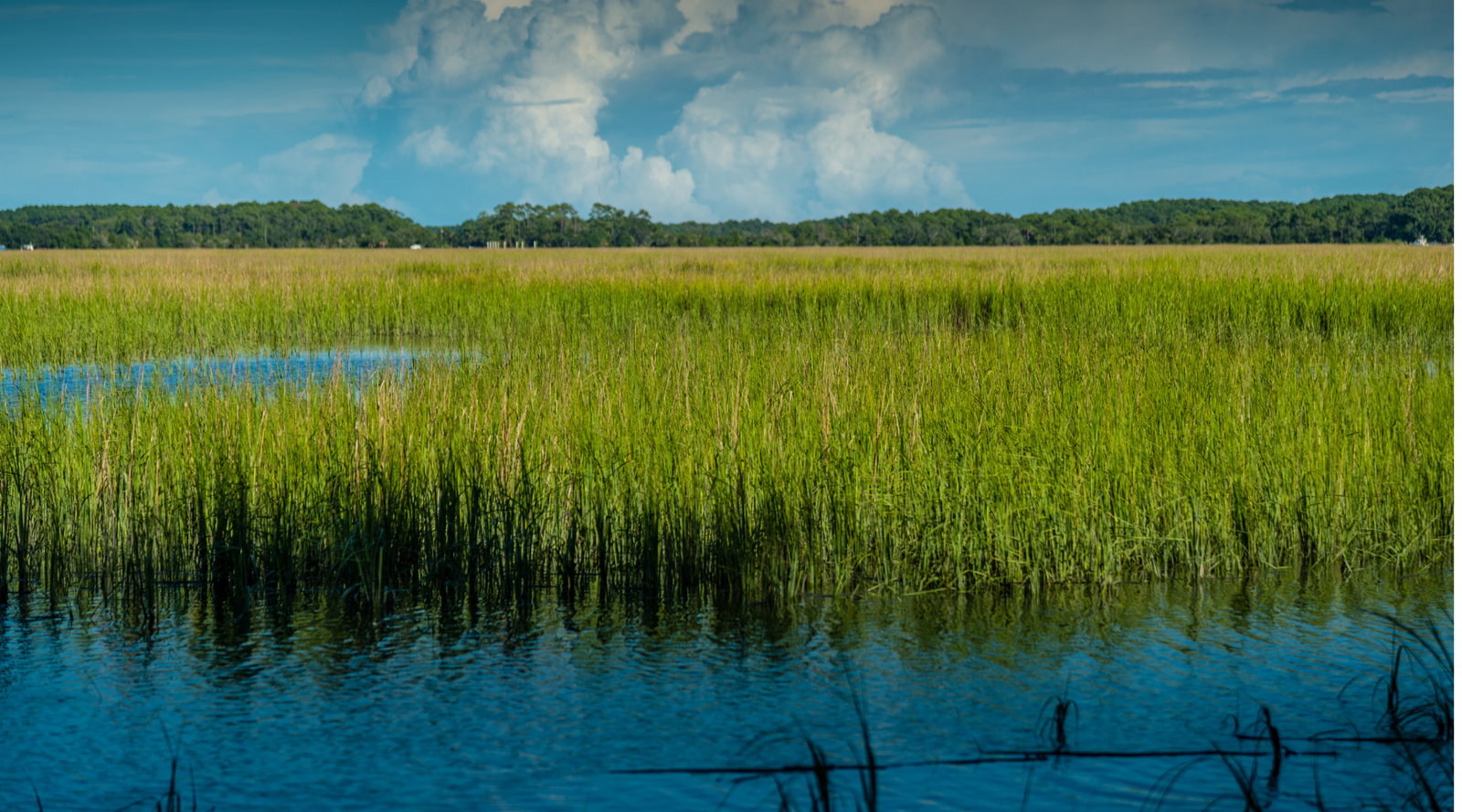
If whooping cranes could make a wishlist, healthy wetlands would probably be at the top.Wetlands provide food, nesting areas, shelter, and safe places to rest during migration. Unfortunately, wetlands have disappeared across many parts of North America due to development and land-use changes.
Protecting wetlands benefits not only whooping cranes but also countless other birds, mammals, reptiles, amphibians, and plant species.In many ways, healthy wetlands are like nature's neighborhood gathering places.
12. They Have Distinctive Red Crowns
Adult whooping cranes are easy to recognize thanks to the bright red patch of skin on top of their heads.Combined with their white feathers, black wing tips, and long dark bill, the red crown creates a striking appearance that's hard to confuse with any other North American bird.
That's one reason birdwatchers get excited when they see one.Also, seeing a whooping crane is rare and memorable.

13. They Can Live for Decades
Whooping cranes are relatively long-lived birds.In the wild, they can survive for more than 20 years, while some captive individuals have lived even longer.
Their long lifespan means that adult birds may contribute to the population for many breeding seasons. However, it also means that losing mature cranes can significantly impact recovery efforts.Every adult bird matters.
How You Can Help Whooping Cranes
You don't have to be a wildlife biologist to help protect whooping cranes.
A few simple actions can help:
- Support organizations working to protect wetlands and wildlife habitat.
- Learn about local conservation efforts in your area.
- Respect wildlife viewing guidelines if you encounter cranes in the wild.
- Share what you've learned with friends and family.
- Participate in citizen science programs that help track bird populations.
Small actions add up, especially when lots of people join in.
Final Thoughts
Whooping cranes are amazing birds. They're tall, graceful, loud, loyal, and even great dancers. They travel thousands of miles each year, form lifelong pairs, and have made an inspiring recovery from near extinction.
These facts show just how special whooping cranes are. From their height to their long migrations, everything about them highlights the amazing variety in nature.
The next time you hear about a whooping crane, remember you're learning about more than just a bird. Their story is one of North America's greatest wildlife successes and shows that when people work together to protect nature, amazing things can happen.




mary (Rhapsody25!) neater
July 20, 2026
Where in California can I seethe cranes , whooping cranes sand hill cranes ? What species come to California