Venus Flytrap Facts: Nature’s Little Green Drama Queen
If plants starred in reality shows, the Venus flytrap would definitely get its own. It snaps shut, catches prey, and always looks both elegant and a bit suspicious. While most plants just photosynthesize and quietly grow, the Venus flytrap stands out.
This well-known carnivorous plant has fascinated gardeners, scientists, and curious people for generations. It looks like something a kid might imagine by asking, “What if a plant had teeth?” But the Venus flytrap is real, clever, and often misunderstood.
If you want fun Venus flytrap facts, cool science, or just some appreciation for one of nature’s weirdest plants, you’re in the right place.
What Is a Venus Flytrap?
The Venus flytrap, scientifically known asDionaea muscipula, is a carnivorous plant native to a small region of the United States, mainly North and South Carolina. That’s right, one of the world’s most famous exotic-looking plants is actually an American original.
It grows in wetlands where the soil is low in important nutrients like nitrogen. Rather than struggle with poor soil, the Venus flytrap adapted to feed on insects and spiders.That’s impressive problem-solving.
5. Venus Fly Trap Facts That Might Surprise You
1. It Doesn't Eat People
Let’s clear this up immediately.Despite what movies and cartoons suggest, Venus flytraps are small plants that catch tiny prey like flies, ants, beetles, and spiders. They're not hiding in the corner plotting against your household.
Your finger is safe.
2. The “Trap” Is Actually a Modified Leaf
Those snapping jaws are not mouths - they're specialized leaves.
Each trap has two lobes joined in the middle. The edges have spiky, hair-like cilia that lock together when the trap closes. They look like teeth, but act more like bars for bugs.
Nature paid close attention to the details here.
3. It Counts Touches Before Snapping Shut
One of the coolest Venus flytrap facts is that it doesn't close every time something touches it.Inside each trap are tiny trigger hairs and the plant usually needs 2 touches within about 20 seconds before it snaps shut. This helps prevent false alarms from things like raindrops, wind, or a passing leaf.
In other words, the Venus flytrap is selective.
4. It Closes Fast
The trap can shut in a fraction of a second, often around one-tenth of a second, depending on conditions.This makes it one of the fastest movements among plants. Pretty impressive for something that stays in one spot.
5. It Digests Prey Slowly
Once the trap closes and confirms that the actual prey is moving inside, it seals tighter and releases digestive enzymes.
The bug is digested over several days, and the plant absorbs the nutrients. When finished, the trap reopens and leaves behind the parts it can’t digest, like the insect’s exoskeleton.
Yes, it's gross and yes, it's fascinating.
Where Do Venus Flytraps Grow Naturally?
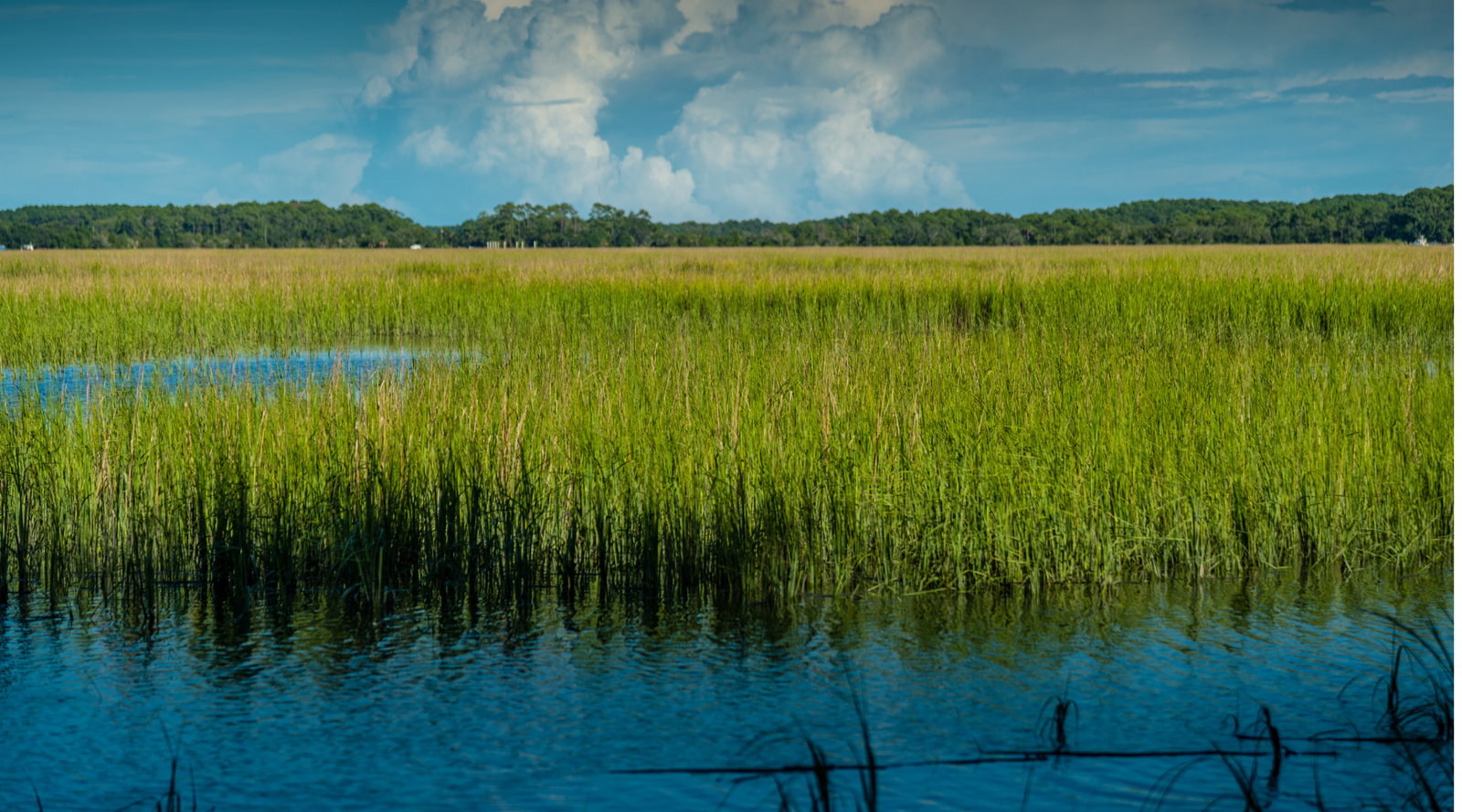
Wild Venus flytraps are native to a very limited area of coastal plain habitat in North and South Carolina. They prefer sunny, wet environments such as bogs and savannas.
These habitats are usually acidic, sandy, and low in nutrients. Most plants would struggle there, but Venus flytraps thrive.
Because their native range is so small, habitat loss has created challenges for wild populations.
Why Do Venus Flytraps Eat Bugs?
This is one of the most common questions, and the answer is simple.
Venus flytraps still make energy from sunlight through photosynthesis, just like other green plants. They don't eat bugs for energy, they eat bugs mainly for nutrients, such as nitrogen and phosphorus, that are scarce in their soil.
So sunlight is their main source of energy, and insects are more like supplements.
How Many Times Can a Trap Close?
A single trap doesn't last forever.Most traps can open and close only a limited number of times before they stop functioning and die. Estimates vary, but many traps manage around 3 to 5 successful closures.
After that, the plant grows new traps to replace old ones.Even the best traps eventually need to retire.
Do Venus Flytraps Need to Be Fed?
If grown outdoors where insects are present, they usually feed themselves just fine.
If kept indoors, they may catch fewer bugs, but they can still survive with proper light and water. Many owners feel tempted to feed them constantly, but resist the urge.
Overfeeding can stress the plant. Also, never feed it hamburger, cheese, or snacks from your lunch. It’s a plant, not a small pet dragon.
Can a Venus Flytrap Feel Pain?
Plants do not have nervous systems or brains like animals, so they don't experience pain the way animals do.
However, they do respond to touch, light, chemicals, and environmental changes in complex ways. The Venus flytrap’s trigger system is a remarkable example of plant responsiveness.
So no, it isn’t screaming when it closes. It’s just doing what it’s meant to do.
Venus Flytrap Facts About Flowers
Many people forget these plants' flowers.Venus flytraps produce tall flower stalks with small white blossoms, usually in spring. The flowers rise above the traps, likely helping pollinators avoid becoming accidental lunch.That’s a clever feature.
“Please pollinate responsibly, and avoid the lower level.”
Are Venus Flytraps Endangered?
Wild Venus flytraps face pressure from habitat destruction, fire suppression in natural areas, poaching, and changing environmental conditions.
They are protected in parts of their native range, and conservation efforts aim to preserve both the species and its habitat.
If you want a Venus flytrap, buy from a reputable nursery that grows them legally. Don’t take plants from the wild. Taking them harms nature.
How to Care for a Venus Flytrap
If you decide to bring one home, here are the basics.
Give It Lots of Light:Venus flytraps love bright light and often do best with several hours of direct sun daily, especially outdoors.
Use the Right Water:They're sensitive to minerals in tap water. Distilled water, rainwater, or reverse osmosis water is often best.
Skip Regular Potting Soil:Use nutrient-poor media such as sphagnum peat moss mixed with perlite or silica sand. Rich potting soil can harm them.
Respect Dormancy: Venus flytraps naturally go dormant in winter. Growth slows, traps may turn black, and the plant can look less lively. This is normal.
Do Not Trigger Traps for Fun:Snapping the traps for fun without prey wastes the plant’s energy. It might be tempting, but it’s better not to do it.
4. Weird and Wonderful Venus Fly Trap Facts
1. They Inspired Scientists and Engineers
Researchers have studied how Venus flytraps work to inspire ideas in robotics, materials science, and motion systems. When a plant closes faster than some people reply to emails, engineers take notice.
2. Charles Darwin Loved Them
Darwin studied carnivorous plants and was fascinated by Venus flytraps. He once described them as one of the most wonderful plants in the world.
That’s high praise.
3. They Can Distinguish Real Meals
After the trap closes, continued movement from the prey helps signal the plant to begin digestion. If there is no movement, the trap may reopen.
This means the plant can tell the difference between a real meal and just debris.
4. They Are Perennials
With proper care, Venus flytraps can live for many years, producing new growth each season.
This isn’t just a plant for one season. It’s a long-term commitment with a bit of drama.
4 Common Myths About Venus Flytraps
Myth 1: They Need Constant Feeding
False. Too much feeding can be harmful.
Myth 2: They Grow Huge
False. Most remain relatively small, often just a few inches across.
Myth 3: They Only Eat Flies
False. They catch a range of small insects and arachnids.
Myth 4: They Can Live in a Dark Office Corner
Very false. They need strong light.
That lonely desk plant in the shadows deserves more light.
Why People Love Venus Flytraps
Part of the appeal is obvious: they move. Most plants stay still, which is fine, but not exactly theatrical.Venus flytraps offer action, strategy, and a tiny snap trap that feels almost animal-like. They blur the line between plant and predator in a way that captures the imagination.
They also remind us that evolution can be wonderfully strange.
Final Thoughts on Venus Fly Trap Facts
The Venus flytrap is far more than a novelty plant with a dramatic gimmick - it's a specialized species shaped by harsh environments, clever adaptations, and millions of years of evolution.
It counts touches, snaps shut quickly, digests insects, produces elegant flowers, and survives where many plants can’t. That’s impressive for something that fits in a small pot.
So the next time you see one, give it a little respect. It may be tiny, but it's running one of the most efficient bug-catching operations in botany.






Leave a comment (all fields required)