





Swamp Birds: Meet the Fascinating Birds of Wetlands
Swamps often seem mysterious. They’re wet, muddy, packed with tangled plants, and sometimes you hear noises you didn’t expect. But beneath all that, there’s a lively world, and some of its most interesting residents are birds.
From graceful herons wading in shallow water to noisy rails hiding in the reeds, swamp birds have learned how to thrive in places where most people would want waterproof shoes. They’ve adapted to muddy ground, standing water, thick plants, changing water levels, and lots of competition for food.
So, which birds live in swamps? And why are wetlands such a big deal for our feathered friends? Let’s meet some of the interesting birds that call these wet habitats home.

Introducing Swamp Birds
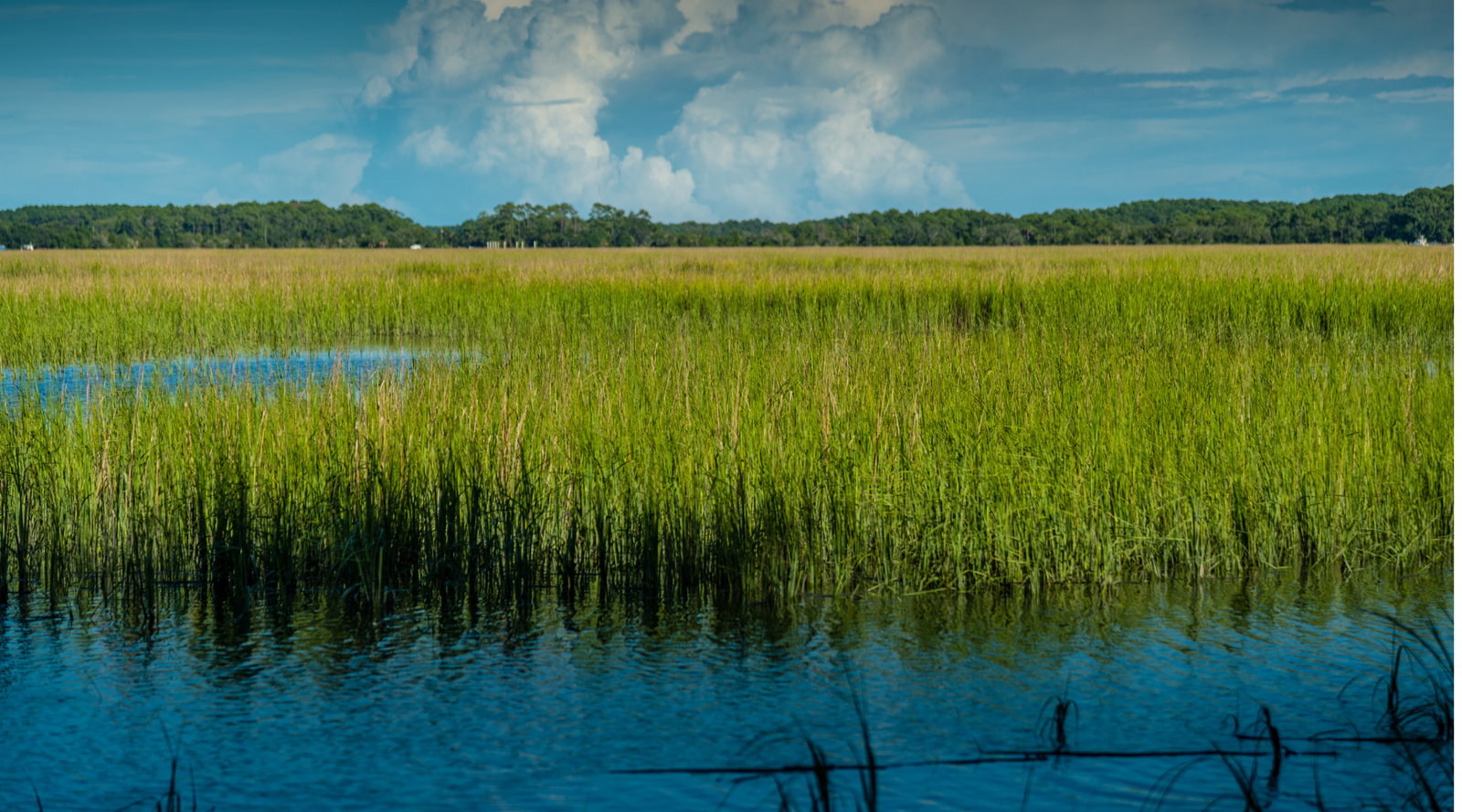
Swamps are wetlands where trees or shrubs are most common, while marshes usually have more grasses, reeds, and other soft plants. The two habitats can overlap, but birds don’t care what we call their home.
Many birds that live in swamps are also found in marshes, ponds, rivers, lakes, and other wet areas. The way they lead their lives can vary greatly from species to species.
Some birds wade through shallow water to look for fish, while others sit in trees and wait for prey. Some spend most of their time hidden in thick plants, so you’re more likely to hear them than see them.
In short, swamp birds have many different ways to live in wet places.And they're quite good at it.

8 Examples of Swamp Birds
1. Great Blue Herons
If swamps had a bird that always looked like it had somewhere important to go, it would be the great blue heron.
These tall, long-legged birds are easy to spot. Great blue herons can stand perfectly still in shallow water for a long time, waiting for the right moment. Suddenly, their long neck shoots forward and they catch their food.
Their diet may consist of fish, frogs, insects, small mammals, and other animals.
One of the great blue heron’s best skills is patience. While most people would get bored after a few seconds, the heron has no trouble waiting.They can wait, and wait, and wait.Then dinner swims by.
Throughout most of North America herons are usually linked with wetlands and thus one of the typical birds to see in swampy areas.

2. Great Egrets
Great egrets are another impressive wetland bird. They're tall, graceful, and mostly white, with long legs and a sharp, pointed bill.
Despite their fancy appearance, these birds are serious hunters.Great egrets frequently wade in shallow water, moving slowly to stalk their prey before suddenly attacking. They eat fish, frogs, snakes, insects, and other small animals.
They also show why wetlands matter - a swamp might look messy to us, but to an egret, it’s full of food and great places to rest.No reservation required.

3. Anhingas
You might have seen a bird swimming in the water with only its head and neck visible, in which case it could have been an anhinga.
It’s sometimes called a snakebird because its long, thin neck looks unusual when it swims. Anhingas spend a lot of time in freshwater wetlands and are skilled hunters underwater.Anhingas catch fish while underwater by using their pointed bills to spear their prey.
Unlike ducks and many other waterbirds, anhingas don’t have very water-resistant feathers. After swimming, you’ll often see them standing with their wings spread out to dry.It’s a practical solution, even if the bird looks a bit funny standing with its wings out to dry.

4. Wood Ducks
Swamps aren’t the only home for tall wading birds. Wood ducks, which are colorful waterfowl, live in wooded wetlands, ponds, streams, and other freshwater places.
Male wood ducks stand out with their bright colors and bold patterns. Females have more muted colors, which helps them blend into their surroundings.
Wood ducks have the habit of nesting in cavities in trees, and they sometimes use old holes made by woodpeckers or nest boxes.
Wetlands with lots of mature trees offer more than just shade. The trees provide nesting spots, perches, shelter, and food for many kinds of wildlife.
A single tree in a swamp may serve as a birdhouse, a restaurant, a lookout tower, and a shelter.Not bad for a tree.

5. Green Herons
Green herons are smaller than great blue herons, but don’t let their size fool you.
These small birds are good at hunting and are usually seen near ponds, streams, marshes, and wooded wetlands. They'lll stand still by the side of the water, waiting for fish and other food to come within sight.
Green herons are also known for using tools to attract prey. They drop small objects like feathers or insects onto the water’s surface and wait for a curious fish to come check it out.That’s a pretty clever fishing strategy.
Instead of chasing after dinner, the green heron could almost say, "Hey, come check out this interesting thing."The fish investigates.The bird gets lunch.Nature is filled with skillful little plans.

6. Swamp Sparrows
It's not true that all birds in swamps are tall, dramatic, or have a large bill.
The swamp sparrow is a small songbird that lives in wet places like swamps, marshes, bogs, and wet meadows. It usually hides in thick plants while searching for insects, seeds, and other food.
Its rusty color and streaks help it blend in with its surroundings.That camouflage is useful since wetland vegetation can be quite good at making birds go unseen.
You might hear a bird before you see it, or catch a glimpse of movement in the reeds. Then suddenly, it’s gone.The swamp sparrow has departed the chat.

7. American Bitterns
If there were an award for “Most Likely to Make You Wonder What That Sound Was,” the American bittern would be a top contender.This secretive wetland bird is well known for its deep, resonant call, which can seem rather loud coming from a bird that is usually hard to see.
You can find American bitterns in marshes and other wetlands with tall vegetation. Their brown, streaked coloring helps them blend in with reeds and grasses.
When threatened, they stretch their bodies upward and point their beaks to the sky, making them look just like the plants around them.It’s camouflage with commitment.
Their calls also remind us that wetlands can be noisy places. Frogs croak, insects buzz, water flows, and birds call from the plants. A swamp might look peaceful from far away, but up close, there’s a lot happening.

8. Limpkins
Limpkins are birds that live in wetlands and are primarily found in the southeastern United States and parts of Central and South America.They’re closely tied to freshwater wetlands and are known for their unique calls.
Limpkins have an interesting diet, specializing in eating apple snails and other freshwater mollusks.Because of their specialized diet, wetlands with suitable snail populations become especially important to them.
Limpkins use their long, curved beaks to pull snails from their shells, a skill that matches their special diet.It’s like going to a restaurant and ordering the same thing every day because you’re really good at eating it.That strategy suits the limpkin.
Why Do Birds Love Swamps?
Most people wouldn’t choose a swamp for a relaxing afternoon walk, but birds have plenty of reasons to love these places.
First, wetlands offer lots of food. Fish, frogs, insects, crustaceans, mollusks, seeds, and more all make up the wetland food web.
Second, wetlands provide birds with places to nest and seek shelter. Trees, shrubs, reeds, and other plants provide places to nest, hide, perch, and raise young.
Third, wetlands can provide water.It might seem obvious, but water is important for wildlife. Birds need it for drinking, bathing, and finding food, and wetlands provide all of this in one place.
Because different parts of a swamp offer different conditions, many kinds of birds can live in the same area without all competing for the same things.One bird might hunt in open water, another might forage along the muddy edge and another might stay hidden in the reeds.It’s a surprisingly efficient neighborhood.

Why Are Swamps Important for Birds?
Healthy wetlands provide valuable habitat for birds throughout their lives.
Some species depend on wetlands year-round. Others visit seasonally, particularly during migration. Wetlands can provide places to rest and refuel during long journeys, which is no small task when your commute involves flying hundreds or thousands of miles.
Wetlands also support entire food webs. Plants provide food and shelter for insects and other animals, which then become food for larger animals, including birds.That means protecting wetland habitat isn’t simply about protecting one bird species. It can help support a much larger community of plants and animals.
Wetlands also help people. They absorb extra water, support many kinds of life, and keep ecosystems healthy.
So, yes, the swamp is doing a lot.It just doesn’t need to brag about it.
How Can You Help Swamp Birds?
You don’t have to own a swamp or be a professional birdwatcher to help birds.
One easy way to help is to protect wetlands when you can. Supporting local conservation groups, visiting protected wetlands responsibly, and learning about native wildlife all help build awareness and appreciation.
You can also make your yard more welcoming to birds by planting native plants, offering natural shelter, and providing clean water when possible.
If you like birdwatching, remember that birds need space. Don’t disturb nesting areas, keep a respectful distance, and follow the rules in parks and protected areas.

The Feathered Side of the Swamp
Swamps are easy to underestimate. They can look messy, muddy, and a little intimidating. But take a closer look, and you’ll find an incredible ecosystem filled with life.
Great blue herons stalk through shallow water. Great egrets hunt with patience. Anhingas dive after fish. Wood ducks nest in tree cavities. Green herons use clever fishing tricks.
Swamp sparrows disappear into vegetation. American bitterns blend into reeds while producing surprisingly powerful calls. Limpkins specialize in their favorite wetland snacks.
So the next time you see a swamp, don’t just see muddy water and tangled plants.
Look a little closer - there could be a whole world of birds right in front of you.
And if you hear a strange noise from the reeds?Well, it could be a bird.




Leave a comment (all fields required)