





Marsh Animals: Fascinating Wildlife of Wetland Ecosystems
Squishy ground, buzzing insects, tall grasses swaying in the breeze, and mysterious splashes coming from somewhere nearby - marshes are basically nature’s version of a surprise party. You never quite know what’s hiding in the reeds.
Marshes deserve more recognition. While forests often get noticed for their tall trees and beautiful sunsets, marshes quietly support a huge variety of life.So grab your imaginary rain boots, try not to step in mystery mud, and let’s explore the fascinating world of marsh animals.

What Is a Marsh?
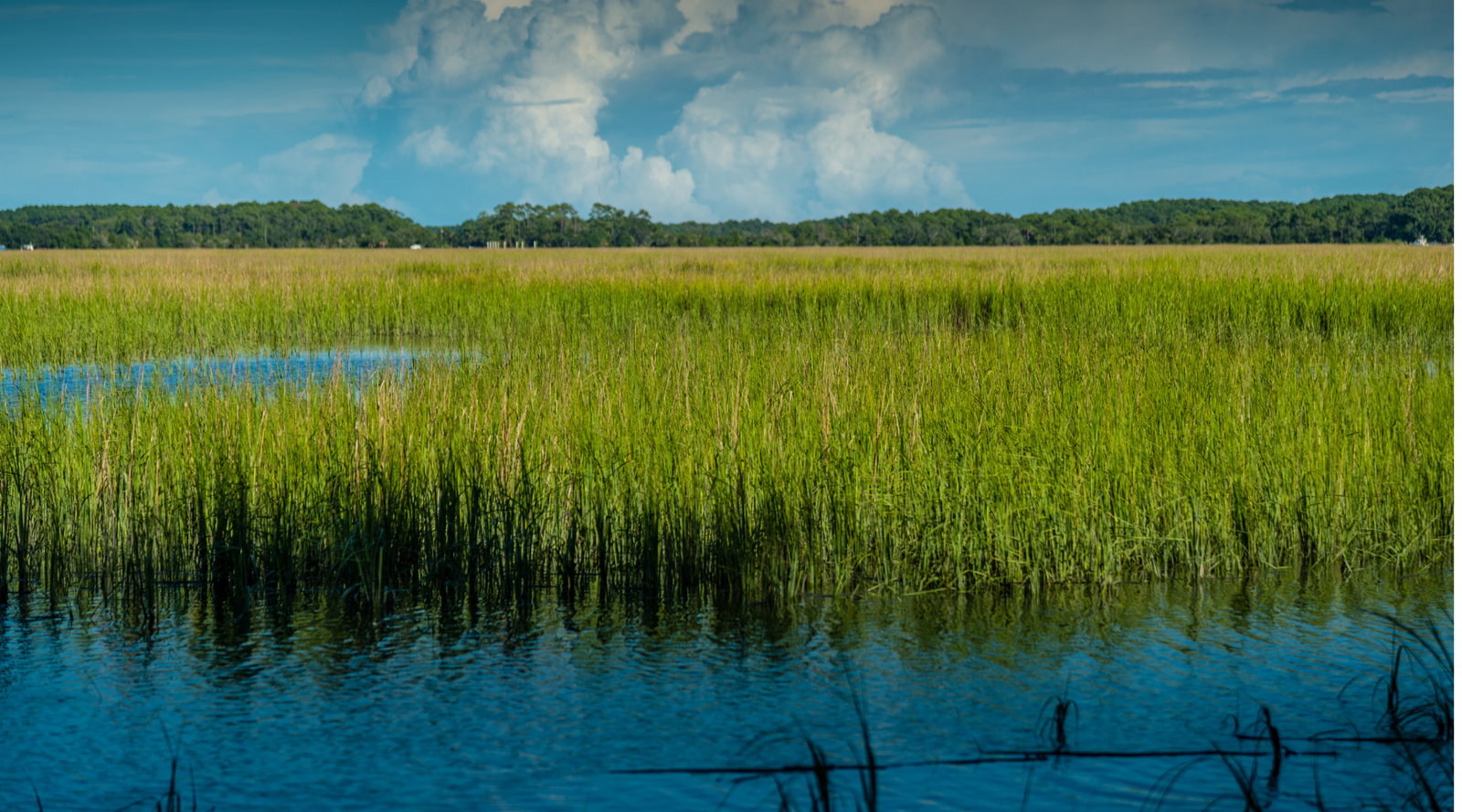
A marsh is a type of wetland that’s regularly flooded with water. Unlike swamps, which are filled with trees, marshes are dominated by grasses, reeds, cattails, and other soft-stemmed plants. They can contain freshwater or saltwater, depending on where they’re located.
Marshes are like nature’s in-between zones. They’re not fully land, not fully water, and honestly, they seem pretty okay with that arrangement. Theyfilter water, help prevent flooding, store carbon, and give many animals a place to live. In short, they do a lot of important jobs.
Now let’s meet the main characters: the marsh animals.
Examples of Marsh Animals

1. Frogs: The Marsh Karaoke Champions
Frogs are a must-mention when talking about marsh animals. Their calls are the background music of wetlands everywhere.
Some frogs blend in so well that you hear them before you see them. Others have bright colors and stand out like little stars of the swamp.
Marshes are perfect for frogs because they need water to lay eggs and moist places to keep their skin healthy.
A few famous marsh-loving frogs include:
- American bullfrogs
- Green tree frogs
- Leopard frogs
- Chorus frogs
That loud croaking you hear at night is usually male frogs calling to attract mates. It’s like a marsh karaoke night.Some frog species can make calls so loud that they seem much bigger than they really are. These small frogs have a lot of confidence.

2. Alligators: The Ancient Marsh Bosses
If marshes needed security guards, alligators would be the first to sign up.
Alligators have lived for millions of years and still look like they belong in a dinosaur movie. They live in freshwater marshes in the southeastern United States. They often float quietly with just their eyes and nostrils above the water, making them hard to spot. It’s nature’s version of stealth mode.
But alligators play an important role in wetland ecosystems. Their nests and “gator holes” create habitats for other animals during dry seasons. When water levels drop, these deeper pools can become lifesavers for fish, turtles, birds, and amphibians.
So even though they look scary, alligators help shape the marsh community in important ways.

3. Herons and Egrets: The Fashion Models of the Marsh
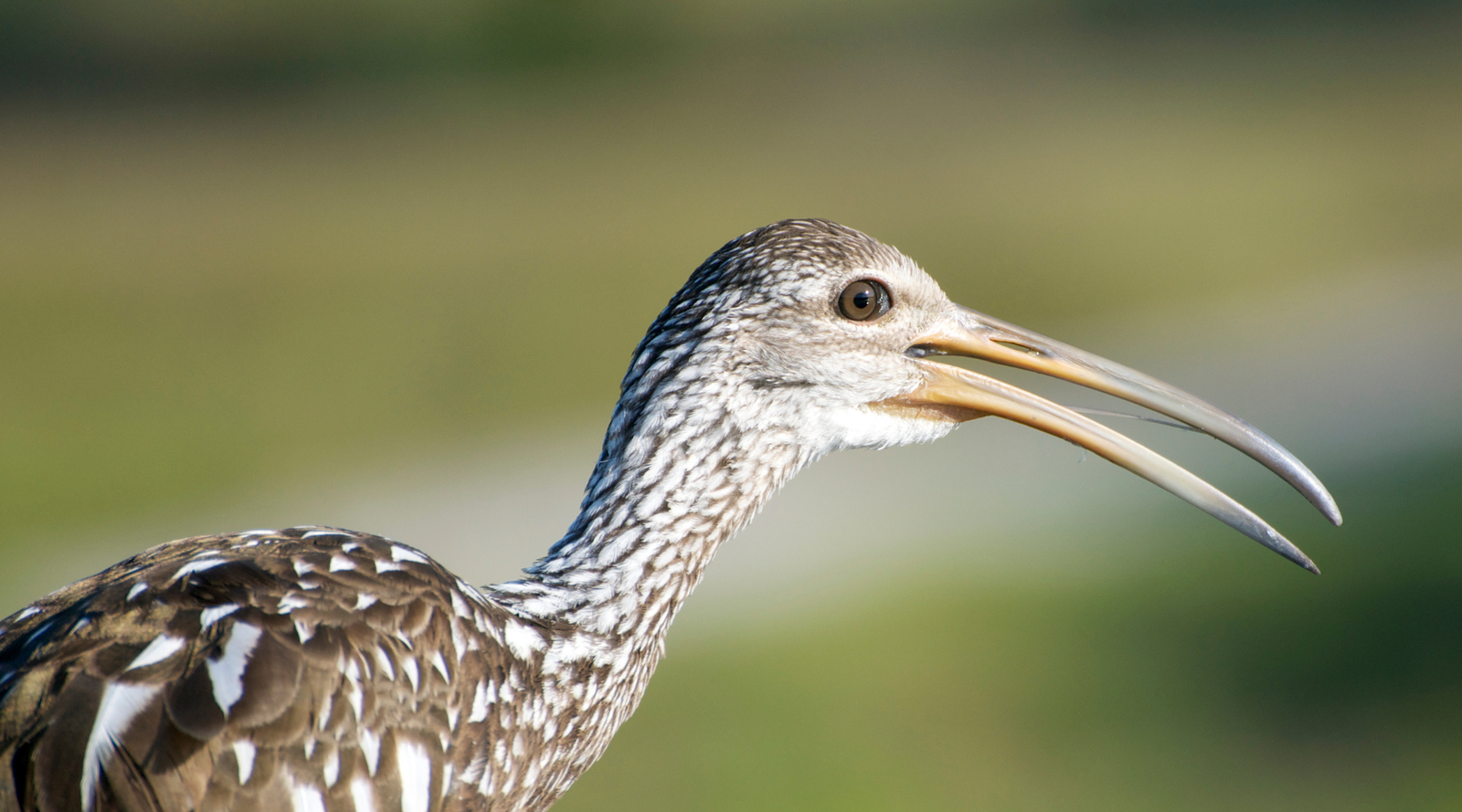
Marsh birdsare truly worth appreciating.
Herons and egrets move through wetlands with slow steps, long necks, and graceful poses.
These birds hunt fish, frogs, insects, and crustaceans in shallow water. Their long legs help them wade through marshes without soaking their feathers, and their sharp beaks are perfect for quick strikes.
Some common marsh birds include:
- Great blue herons
- Snowy egrets
- Green herons
- Bitterns
- Red-winged blackbirds
Bitterns are interesting because when they feel threatened, they stand upright among the reeds and look just like plants. This unusual camouflage actually works well.“Perhaps if I become grass, nobody will notice me.”

4. Muskrats: The Tiny Wetland Engineers
Muskrats might not be as well-known as beavers, but they're hardworking marsh animals.They build dome-shaped homes out of marsh vegetation and mud, creating cozy shelters surrounded by water. Their lodges help shape wetland environments and provide shelter for other species.
Muskrats are excellent swimmers thanks to their partially webbed hind feet and flattened tails. They spend much of their lives in the water searching for plants to eat.
Despite their name, muskrats are not large rats - they're actually more closely related to voles and lemmings.

5. Turtles: Professional Sunbathers
If you spend time near a marsh, you might see turtles sitting on logs, sometimes piled on top of each other.
Marshes provide turtles with food, nesting areas, and plenty of shallow water for swimming. Many species love basking in the sun because it helps regulate their body temperature.
Common marsh turtles include:
- Painted turtles
- Snapping turtles
- Red-eared sliders
- Map turtles
Snapping turtles are worth mentioning because their ancient appearance and powerful jaws make them seem intimidating, but they usually avoid people unless food is nearby.

6. Otters: Chaos in Fur Form
River otters add a lot of activity to marsh ecosystems.These playful mammals are known for sliding down muddy banks, chasing fish, and wrestling with each other. They're always active and lively.
Otters are incredibly skilled swimmers with streamlined bodies, webbed feet, and dense fur that keeps them warm in cold water. Marshes offer them plenty of fish, frogs, and hiding places.
Watching otters in the wild feels like witnessing nature having a really good day.
They show that animals can be both skilled at surviving and playful at the same time.

7. Marsh Insects: Small Creatures, Big Drama
Marsh insects are everywhere, and they do much more than just bother people during summer walks.
Dragonflies zip through wetlands hunting mosquitoes with great skill. Mosquito larvae provide food for fish and amphibians. Water striders move across the surface with ease.And then there are the midges, beetles, damselflies, and countless other tiny creatures that form the base of the marsh food web.
Without insects, many marsh animals simply couldn’t survive.That said, mosquitoes are still testing everyone’s patience.

8. Snakes in the Marsh
Yes, marshes have snakes.But there’s usually no need to worry.Many marsh snakes are harmless and prefer avoiding humans entirely. Species like garter snakes and water snakes help control rodent and amphibian populations.
Of course, some wetlands are also home to venomous snakes like cottonmouths, so it’s always smart to stay aware of your surroundings and admire wildlife from a respectful distance.
The good news is that most snakes avoid people and are busy with their own activities in the marsh.

9. Marsh Mammals You Might Not Expect
Marshes are home to more mammals than many people realize.
Depending on the region, you might find:
- Mink
- Raccoons
- Marsh rabbits
- Beavers
- Deer
- Bobcats
Some mammals visit marshes for food and water, while others spend most of their lives there.
Raccoons, for example, enjoy wetlands because marshes offer fish, frogs, eggs, and other foods. They're often seen searching for meals along the shoreline.
Meanwhile, marsh rabbits have adapted to wetter environments than many other rabbit species. They’re strong swimmers and can escape predators by diving into vegetation-filled water.Yes, some rabbits can swim.
Why Marsh Animals Matter
Marsh animals are more than just interesting creatures to spot during a nature walk. They help keep ecosystems balanced and healthy.
Predators control prey populations, birds spread seeds, amphibians eat insects and turtles clean up dead material. Every species plays a role.
Wetlands also support migratory birds, protect shorelines from erosion, and improve water quality by filtering pollutants naturally.
Marshes act like large natural sponges and water filters.
That’s impressive for a place some people used to call “just muddy land.”

Threats Facing Marsh Animals
Unfortunately, marsh ecosystems face growing challenges.
Wetlands around the world have been drained, polluted, and developed for agriculture, roads, and cities. Climate change is also affecting water levels, temperatures, and storm intensity.
Pollution can harm amphibians and fish, while habitat loss makes it harder for marsh animals to find food, shelter, and breeding areas.
Even noise and artificial light can disturb wildlife in these sensitive wetland areas.
The good news is that conservation efforts are helping protect and restore many marshes. Wildlife refuges, wetland restoration projects, and local conservation programs are making a difference in many regions.
Small actions matter too.Supporting wetland conservation, reducing pollution, and respecting wildlife habitats all help marsh animals survive and thrive.
Fun Marsh Animal Facts
Here are a few fun facts about marsh animals:
- Some frogs can freeze partially during winter and survive.
- Otters can hold their breath underwater for several minutes.
- Alligators can shed thousands of teeth over their lifetimes.
- Dragonflies have existed for over 300 million years.
- Muskrats can stay underwater for up to 15 minutes.
- Herons swallow many fish whole.
- Marsh rabbits are surprisingly strong swimmers.
- Certain turtles can absorb oxygen through specialized tissues while underwater during winter.
It’s as if everything in the marsh has its own special ability.

Visiting a Marsh the Right Way
Exploring marshes can be an amazing experience, especially if you enjoy birdwatching, photography, hiking, or wildlife spotting.
A few simple tips help protect marsh animals while keeping your adventure enjoyable:
- Stay on designated trails or boardwalks.
- Observe wildlife from a distance.
- Avoid feeding animals.
- Pack out trash.
- Wear bug spray unless you enjoy donating blood to mosquitoes.
- Bring binoculars for birdwatching.
It’s also a good idea not to wear your favorite white shoes.That’s just practical advice for visiting a marsh.
Final Thoughts on Marsh Animals
Marsh animals might not always be noticed, but wetlands are full of interesting life, unique adaptations, and constant activity among the reeds.
From croaking frogs and gliding herons to playful otters and ancient alligators, marsh ecosystems are packed with creatures that help keep nature balanced and thriving.They may be messy, muddy, noisy, and mysterious, but they're definitely worth appreciating.
So next time you see a marsh, remember it's a busy community filled with skilled swimmers, quiet hunters, small builders, and birds moving confidently through their home.




Leave a comment (all fields required)