



Bat Pollination: How Bats Help Flowers Bloom
When you think about pollinators, what comes to mind?Butterflies? Possibly. Bees? Absolutely. Maybe hummingbirds, moths, or even a determined little beetle making its way from flower to flower.But bats?Yep, bats can be pollinators too.
Bats are often known for hanging upside down, flying at night, and looking like they belong in a spooky movie. But some bats play an important role in the plant world. They visit flowers for food, and as they do, they can pick up pollen and carry it to another flower.In other words, bats are doing some of their best pollinating after the sun goes down.
Let’s take a closer look at how bat pollination works, which bats are involved, what plants depend on them, and why these nighttime flyers deserve more appreciation.

What Is Bat Pollination?
Bat pollination is exactly what it sounds like: bats help move pollen from one flower to another.
Pollination is an important part of how many plants reproduce. A flower makes pollen, and that pollen needs to reach the right part of another flower, or sometimes another part of the same plant, for fertilization to happen.
Bees and other daytime pollinators often get the spotlight. But some flowers have evolved to attract nighttime visitors instead.Enter the bats.
When a bat looks for nectar, it might push its face, fur, or body into a flower and pollen can stick to the bat while it eats. When the bat visits another flower, some of that pollen can be left behind.
In this way, nature has created a small flying pollen delivery service.No van required.

Why Would a Bat Visit a Flower?
A bat isn't visiting a flower because it has a deep appreciation for botanical beauty.Sorry, flower enthusiasts.Usually, the bat is there because there's something tasty inside.
Many nectar-feeding bats rely on flowers for food. Nectar is a valuable source of energy, especially for animals that spend their nights flying around in search of their next meal.Some bats also eat fruits, insects, or other foods depending on the species. But nectar-feeding bats are the ones most closely associated with bat pollination.
Plants also have their own ways to attract these nighttime visitors.Many bat-pollinated flowers tend to be large, sturdy, and strongly scented. Some open at night and produce plenty of nectar. Their colors may be pale or white, making them easier to see in low light.
So, these flowers are not trying to blend in with their surroundings - they are sending out a clear signal to bats, almost like a big sign that says, "Dinner is served."
What Do Bat-Pollinated Flowers Look Like?
Bat-pollinated flowers can have some interesting characteristics:
- Since bats are bigger than most insects, flowers that depend on them often need to be strong enough to support a visit from a furry flying mammal.
- Many are relatively large and open, giving bats enough room to reach the nectar inside.
- Some produce strong scents, particularly at night which can help bats locate them using their excellent senses.
- A flower that wants to attract a hungry bat needs to offer a good reward. Bats can travel long distances to find food, so plenty of nectar is a strong invitation.
In short, these flowers are well-suited to attract bats.

Which Plants Are Pollinated by Bats?
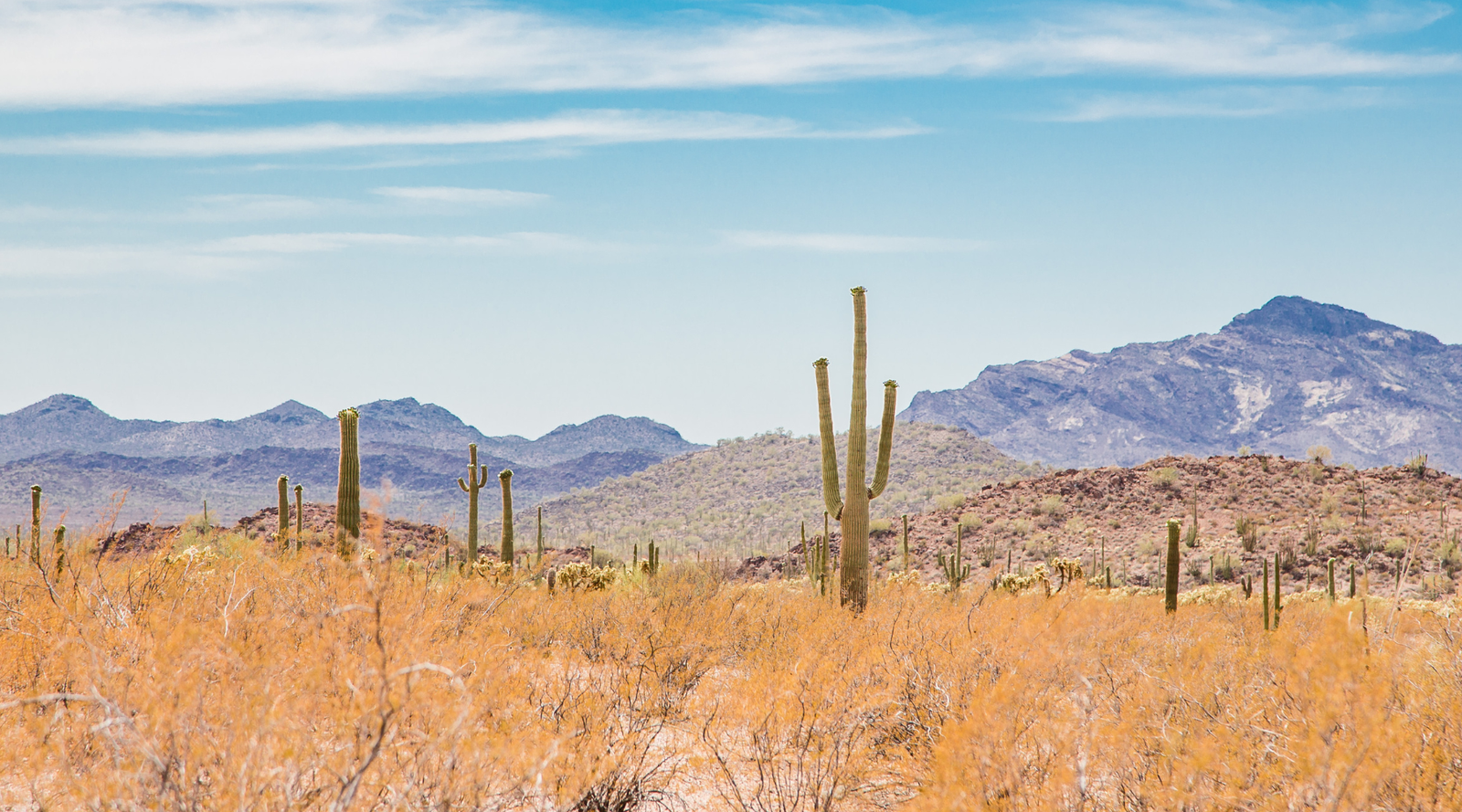
Bat pollination is especially important in tropical and subtropical regions, where numerous plants have evolved relationships with nectar-feeding bats.Some well-known examples include agave, bananas, mangoes, guavas, and several types of cactus.
Agave is particularly interesting because certain bats are important pollinators of agave flowers. Some agave species flower only after several years of growth, and when they finally bloom, they can provide a valuable food source for bats.
Bats can also play a role in pollinating plants that produce fruits people enjoy.
That is one of the interesting things about pollination - it's not just about pretty flowers.The process can help plants produce fruits and seeds, which means the work of a nighttime bat can eventually connect to foods that make their way onto our plates.
The bat may be thinking, "Free nectar."The plant is thinking, "Excellent. Please take some pollen with you."Both the bat and the plant benefit.
Do All Bats Pollinate?
No, not all bats pollinate.
There are thousands of bat species worldwide, and they have a wide range of diets - some bats primarily eat insects, others eat fruit, some feed on nectar, while others have specialized diets.So, while bats as a group are incredibly important to ecosystems, not every bat is out there pollinating flowers.
Insect-eating bats, for example, are better known for their role as nighttime predators. They can consume large numbers of insects, including many that people consider pests.
Fruit-eating bats can help disperse seeds as they eat fruit and move around the landscape.
Nectar-feeding bats can contribute to pollination.
Different bats have different roles, which is part of what makes them so interesting. Learn more about the benefits of bats.

Bat Pollination Happens at Night
One of the coolest things about bat pollination is the timing.While bees and butterflies are often busy during the day, many nectar-feeding bats go to work after dark.This means there's a different group of pollinators active at night.You can think of these bats as the night crew.
Flowers that rely on bats have adapted to this schedule. They may open or produce more nectar at night, when their preferred pollinators are active.This is one example of how closely plants and animals can become connected over time. The flower provides food, while the bat helps move pollen between plants.
Both the bat and the plant get something in return - the bat gets dinner and the plant gets a little reproductive assistance.It's a mutually beneficial arrangement.
Why Is Bat Pollination Important?
Pollination is essential for many flowering plants, and bats can be an important part of that process in the regions where they live.
When bats move pollen between flowers, they can help plants reproduce and produce fruits and seeds.Those plants can then provide food and habitat for other animals.This shows that the effects of bat pollination can reach beyond the original flower.
A healthy ecosystem is full of these kinds of connections. One animal interacts with a plant, that plant produces fruit, another animal eats the fruit, then the seeds are carried somewhere else and new plants grow.
In nature, many things happen at once.This is why losing one part of the system can have effects that go much further than we might expect.

Bats Need Our Help
Bats are incredibly useful animals, but there are many threats to bats.
Habitat loss can reduce the places where bats can roost and find food. Other threats can include disturbance of important roosting sites, disease, pesticide use, and changes in food availability.
That matters for pollination because plants and their pollinators depend on each other.If bat populations decline, plants that rely heavily on bats may lose an important pollination partner.
The good news is that we can make our spaces more welcoming to bats.Planting a variety of native plants can help provide habitat and food for local wildlife, including bats. Protecting mature trees and natural areas can also provide important shelter for some bat species. Learn more tips for creating a bat-friendly garden.
If you're interested in helping bats, it's also worth learning about the species found in your area. Bat needs can vary quite a bit depending on where you live.
One of the simplest ways to help wildlife is to give it some space to stay wild.Not every part of your yard needs to be perfectly neat.Sometimes a bit of mess is just what nature needs.

The Night Shift Deserves Some Love
Bats have long dealt with a pretty unfair reputation.They're often associated with spooky stories, haunted houses, and Halloween decorations. But underneath all that, they're fascinating animals with important roles in ecosystems around the world.
Some eat insects, some disperse seeds, some pollinate flowers and some manage to do all of this while most of us are asleep.
Bat pollination reminds us that nature doesn't follow our schedule. While we're turning off the lights and going to bed, another world is starting up outside. Flowers are opening, bats are searching for nectar, pollen is moving from plant to plant and the ecosystem keeps humming along.
So, the next time you see a bat flying in the evening sky, remember to appreciate its role. possibly helping a flower make more flowers along the way.




Leave a comment (all fields required)